HEALTH AND WELLBEING CONTEXTS
Health and wellbeing contexts in early childhood include a wide range of experiences that can affect children and families, such as parental mental illness, substance use, trauma, grief, and abuse. These factors can influence children’s development, emotional security, and ability to engage in learning. Growing awareness of mental health and trauma in Australia has highlighted the importance of early intervention and supportive environments to reduce long‑term negative outcomes.
Parental mental illness or substance use can affect a parent’s consistency, emotional availability, and caregiving capacity. Experiences of trauma, grief, or abuse can disrupt children’s sense of safety and stability. According to AIHW (2023), many Australian children are exposed to adverse childhood experiences (ACEs), which are linked to poorer developmental and health outcomes.
Bronfenbrenner’s ecological systems theory helps explain how these issues operate across multiple layers of a child’s world. The microsystem—family relationships—is directly affected by parental mental health and caregiving practices. The ecosystem, including access to health services and community supports, and the macrosystem, such as societal attitudes toward mental health, also shape children’s experiences. These systems influence each other in dynamic, two‑way ways, meaning children’s needs and behaviors can also affect family functioning.
Maslow’s hierarchy of needs reminds us that children require basic safety and security before they can learn effectively. Trauma theory further shows that chronic stress or traumatic experiences can alter brain development, affecting emotional regulation, behavior, and learning.
In Australia, these health and wellbeing issues intersect with broader social factors such as poverty, cultural background, and access to services, highlighting the complexity and diversity of children lived experiences.
Impact on Children and Families
Social Policy and Australian Responses
Health and wellbeing challenges can deeply affect children’s development, relationships, and engagement in early learning. Children exposed to trauma, parental mental illness, or substance use may struggle with emotional regulation, attention, and social interactions.
Trauma can influence brain development, especially areas linked to stress and executive functioning. As a result, children may show withdrawal, aggression, hypervigilance, or difficulty concentrating. From an attachment theory perspective, inconsistent or emotionally unavailable caregiving can disrupt secure attachment, making it harder for children to build trusting relationships with educators and peers.
Grief and loss—whether through death, separation, or major family changes—can also impact emotional wellbeing. Young children may not yet have the language to express their feelings, which can lead to behavioural changes or regression.
Families experiencing these contexts often face high stress, stigma, and barriers to accessing support. Parents dealing with mental illness or substance use may feel judged or hesitant to engage with early childhood services, which can affect communication and partnership‑building.
Within early childhood settings, educators may observe:
-
Increased emotional or behavioural needs
-
Difficulty with routines and transitions
-
Challenges in peer relationships
-
Irregular attendance or disengagement
These impacts highlight the vital role of early childhood services as safe, stable environments that support children’s wellbeing, resilience, and sense of security.
Australia has several policies and frameworks designed to support children and families experiencing health and wellbeing challenges. The National Mental Health and Suicide Prevention Plan focuses on early intervention, community‑based support, and improving access to mental health services.
The Early Years Learning Framework (EYLF) emphasises children’s wellbeing, secure relationships, and responsive caregiving as foundations for healthy development (Department of Education, 2022). The National Quality Framework (NQF) also requires early childhood services to provide safe, supportive environments that promote children’s physical and emotional wellbeing.
Child protection legislation across all states and territories plays a key role in responding to abuse and neglect, including mandatory reporting responsibilities for educators.
Despite these frameworks, gaps remain. Families in rural or disadvantaged communities often face limited access to services. Stigma surrounding mental illness and substance use can prevent families from seeking help. Fragmented service systems can also make coordinated care difficult.
These challenges highlight that while policy provides essential guidance, educators play a crucial frontline role. Through inclusive, supportive practice and by helping families access services, educators can make policy intentions meaningful in children’s everyday lives.
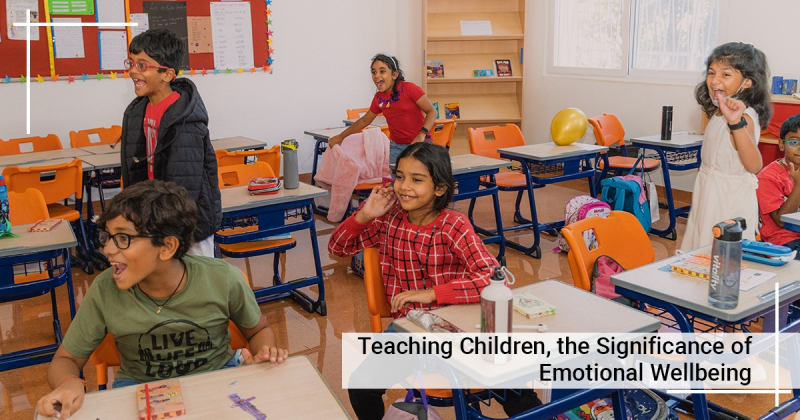
Community and Professional Partnerships
Working with health and wellbeing professionals ensures children and families receive coordinated, holistic support:
- Child and Adolescent Mental Health Services (CAMHS)
Offer specialised mental health assessment and support for children and families.
- Headspace
Provides accessible mental health services and early intervention support for young people and their families.
- Australian Childhood Foundation
Delivers therapeutic services for children affected by trauma, abuse, or chronic stress.
- Social Workers and Counsellors
Support families through counselling, case management, and connection to services.
- Community Health Services
Provide healthcare, parenting support, and early intervention programs that strengthen family wellbeing.
These partnerships help create a multidisciplinary, wrap‑around support system that promotes children’s safety, resilience, and long‑term wellbeing.
Strategies for Practice
Educators can support children and families experiencing health and wellbeing challenges through trauma‑aware, relationship‑focused approaches:
- Trauma‑Informed Practice
Create safe, predictable environments with calm interactions and consistent routines. This helps children affected by trauma feel secure and reduces stress triggers.
- Building Secure Relationships
Warm, responsive relationships support attachment, emotional wellbeing, and trust—especially for children who experience instability at home.
- Supporting Emotional Regulation
Use co‑regulation, mindfulness, and emotion coaching to help children understand and manage their feelings.
- Creating Safe and Inclusive Environments
Provide spaces where children feel physically and emotionally safe, enabling them to participate in learning and social interactions.
- Referral and Collaboration with Support Services
Recognize when additional support is needed and connect families with mental health professionals, counsellors, and community services to strengthen the support network around the child.
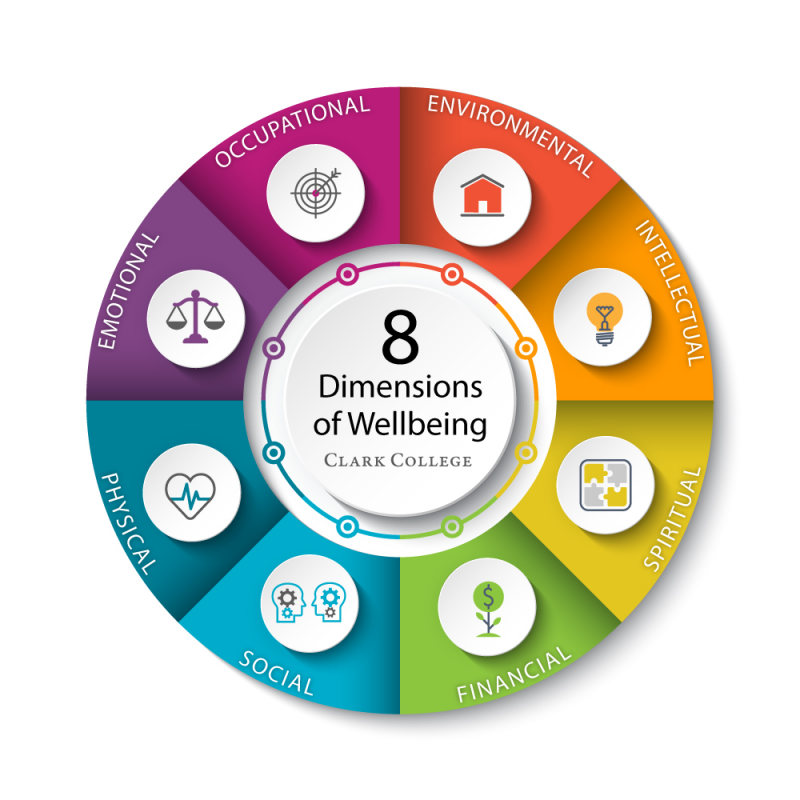
Resources for Educators and Children
Websites/Programs
Children’s Books (0–5 years)
- Beyond Blue – Mental health support and resources
- Headspace – Youth mental health services
- Emerging Minds – Resources for supporting children’s mental health
- Kids Helpline – Counselling and support services
- The Colour Monster – Anna Llenas
- When Sadness Is at Your Door – Eva Eland
- A Terrible Thing Happened – Margaret Holmes
- The Invisible String – Patrice Karst
These books support emotional literacy, helping children understand and express feelings related to trauma, grief, and wellbeing.
Daniel Tiger’s Neighbourhood – Emotional regulation and coping skills
Sesame Street – Mental health and emotional wellbeing content
- Play School (ABC) – Exploring emotions and relationships
Bluey – Family dynamics and emotional understanding
Critical Reflection
Health and wellbeing contexts present complex and deeply interconnected challenges that significantly influence children’s development and learning. While Australian policy frameworks emphasize early intervention and support, it is evident that systemic barriers and stigma continue to impact access to services. Early childhood educators play a vital role in creating safe, nurturing environments and fostering strong relationships that support children’s resilience. Through trauma-informed, inclusive, and collaborative practices, educators can contribute to improving outcomes for children and families experiencing health and wellbeing challenges.
Reference List (APA 7th Edition)
Australian Childhood Foundation. (2023). Supporting children and young people affected by trauma. https://www.childhood.org.au
Australian Institute of Health and Welfare. (2023). Australia’s children. https://www.aihw.gov.au/reports/children-youth/australias-children
Beyond Blue. (2023). Mental health support services. https://www.beyondblue.org.au
Bowlby, J. (1969). Attachment and loss: Vol. 1. Attachment. Basic Books.
Bronfenbrenner, U. (1979). The ecology of human development: Experiments by nature and design. Harvard University Press.
Department of Education. (2022). Belonging, being and becoming: The early years learning framework for Australia (Version 2.0). Australian Government. https://www.education.gov.au/early-years-learning-framework
Emerging Minds. (2023). National workforce centre for child mental health. https://emergingminds.com.au
Headspace. (2023). Mental health support for young people. https://headspace.org.au
Maslow, A. H. (1943). A theory of human motivation. Psychological Review, 50(4), 370–396. https://doi.org/10.1037/h0054346
Kids Helpline. (2023). Counselling and support services. https://kidshelpline.com.au
Create Your Own Website With Webador